

|
|
|
|
by Yvette Depaepe
Published the 24th of August 2026
Georgios Bero's photographic vision is simple: he seeks beauty in the overlooked, prioritizes encounters over plans, and captures the essence of fleeting, fragile moments. Join me as I explore his soulful work in this interview.
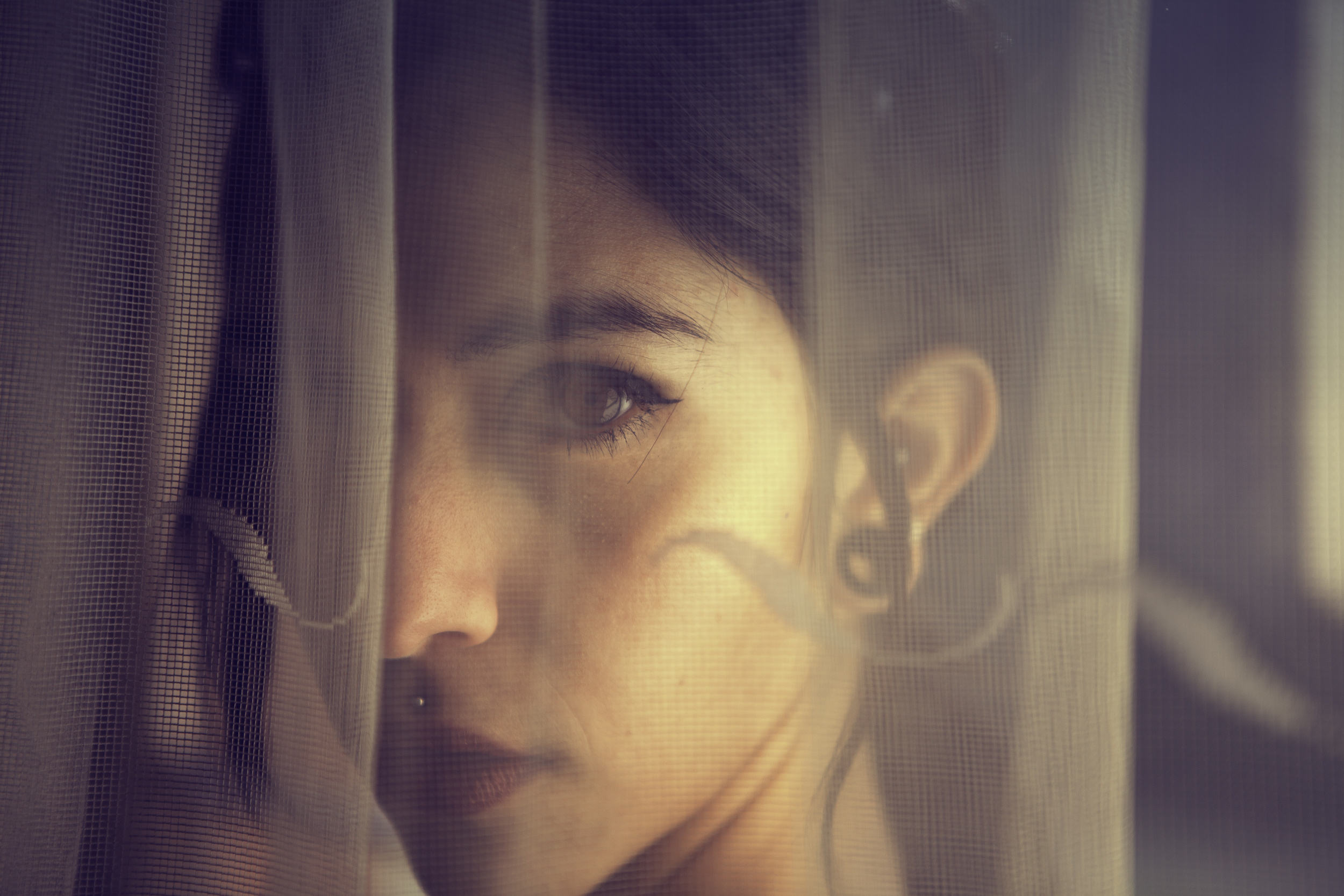
‘Behind the veil’
Dear Georgios, firstly, I would like to thank you for taking the time to complete this questionnaire. Could you please start by introducing yourself briefly, telling us about your hobbies, and describing any other projects you are involved in?
Dear Yvette, thank you so much for the invitation — I am truly honoured. I never imagined that my profile on 1X would attract such attention. I am an amateur photographer and urban explorer based in the heart of Europe. Most of my images are taken in Luxembourg and the surrounding countries: France, Belgium and Germany. Aside from photography, I'm passionate about music, although I must admit that my skills are modest. I play the piano and bass a little — enough to lose myself in it, but not enough to master them. I'm also a perpetual traveller, forever curious about what lies beyond the next border. I have a deep and unashamed love of good food and fine wine. These may be small pleasures, but they feed the same appetite for beauty that drew me to photography in the first place.
How and when did you start your journey in photography?
Photography crept into my life slowly, almost without my noticing. I had always been drawn to abandoned buildings, spending hours wandering through their silence, often quite alone. However, when I tried to tell my friends about these adventures, I realised that words alone were inadequate; they simply could not convey the strange beauty that I had found in those forgotten places. So I began to take photographs — at first purely for documentation, with no artistic intent whatsoever; just a way to show people what I had seen. Yet over time, something shifted. I noticed that, without meaning to, my images had become more than mere records — they had quietly, almost secretly, turned into something beautiful. I think this was around 2011. After a year or so, an idea took hold. I wanted to add another dimension to the frame. I started asking friends if they would model for me among the ruins, or if they knew anyone who would. I fell in love with the results — the beauty of a living figure set against the beauty of decay, the two in quiet dialogue, each telling a story that the other alone could not. That is how it began. Over the years, I've had the privilege of working with many remarkable people, and I've never grown tired of it because each model and each location is unique. Every shoot is, in some way, a first.
For many of us, photography is a hobby or a way of life. So, how would you describe your relationship with photography?
This is difficult to put a name to. It's certainly more than a hobby — the word feels too small and casual for what it is. Yet I hesitate to call it a way of life because, truthfully, I only dedicate a modest amount of time to it. Perhaps 'passion' comes closest. Some might even call it an obsession, and they wouldn't be entirely wrong. If a week or two slips by without my taking a single photo, I feel restless, with an insistent urge to organise a shoot or, at the very least, to wander in search of new locations.
Which experience has had the greatest influence on your work so far?
Without question, the most important experience was the encouragement I received at the very beginning. The kind words of my friends, the trust and enthusiasm of the models and the reactions of strangers who came across my images online all arrived when I needed them most and changed everything. That is precisely why platforms like 1X matter so much. Feedback is a quiet engine: it stirs your motivation, forces you to examine your work more closely, and reveals flaws you were blind to and strengths you didn't know you had. In doing so, it makes you better.
Your fine art nudes are outstanding. What inspired you to specialise in this type of photography?
The honest answer is simple: sensual beauty. There's an intoxicating tension in the unclothed form — a combination of confidence and vulnerability — and it's precisely that tension that I long to capture. I immerse myself in the scene, drawn to whatever moves me most, and try to capture it through my lens. But here's the thing: this requires no nudity whatsoever. Only sensuality. This is why I hesitate to call myself a fine art nude photographer. I've grown wary of these categories — fashion, portrait, boudoir and fine art nude — the labels we attach to things to make them easier to file away. They mean little to me. Ultimately, all that matters is what I find beautiful.
Which is more important to you: the mood or story behind your images, or technical perfection?
Without hesitation: the mood and the story. Of course, I strive to make each image as technically sound as my skill and knowledge allow — I don't dismiss the importance of technique. But that was never my true focus. I've taken many photographs that, by any technical measure, are far from perfect, and yet I adore them unreservedly because they capture exactly the mood, emotion and atmosphere I experienced during the shoot. Ultimately, an imperfect image that still trembles with what was real moves me far more than a flawless one.
What is your relationship with your subject matter beyond simply observing it?
Do you prepare the locations and scenes that you intend to photograph in advance?
For me, observation is at the heart of photography. I don't see my role as creating a scene or setting up a stage. I accept the location as I find it, allow the model to work their quiet magic and simply absorb the moment, capturing the image as it materialises before me. It's a far more passive process than most people realise. I suspect many photographers put a lot of thought and effort into orchestrating a scene, and that's a perfectly valid way to work — a beautiful one, even. It's just not mine. I'm content to remain the observer, waiting and watching. My task is not to command the moment, but to be present enough to receive it.
Describe your overall photographic vision, explaining both your intended approach and the kind of images you want to create.
Ultimately, my vision is simple: to find beauty in the overlooked, to prioritize encounters over plans, and to take photographs that capture the essence of fleeting, fragile moments.
Could you tell us more about your creative process, from initial idea to final product?
My work consists of two distinct stages. The first, and by far the most time-consuming, is scouting locations. This is rarely something I plan; I simply move through the world with my eyes open, driving, walking and drifting. I'll also admit that I rely on the satellite view of Google Maps. Whenever I glimpse something that looks forgotten, empty or abandoned, I try to find a way in and explore it. Little by little, my pool of possible locations grows. Many of these locations will never be used for a shoot — they are often too dangerous, too dark or too difficult to enter — and yet the scouting itself is one of the great pleasures of my work. Once I've found a place I want to use, the planning begins — though 'planning' is too grand a word for it. I simply consider which model or theme might suit that particular space, then send an email to ask if she'd be interested, providing a rough idea of the outfit or mood and when she might be free. That is the extent of my preparation. Then comes the day of the shoot, and with it the real thrill. There's always a moment of suspense when we arrive because you can never be sure that the location is still there or open to us. Once inside, we wander together and discuss which rooms and corners hold the most interest and have the most beautiful light. Since I only use natural light, there's nothing to set up or rig. I just need to switch on the camera. During the shoot itself, we say little to each other. I don't give detailed instructions on posing — it's a quiet phase and largely belongs to the model. Some people tell me that this is unusual, but I prefer to stay the silent observer, offering an idea only occasionally. A session tends to last around an hour.
Afterwards, I usually start editing straight away. I find it almost impossible to work on images from shoots that took place months ago — by then, I have forgotten what was going through my mind when I pressed the shutter, and something essential is lost. I shoot everything in RAW and edit in an old version of Lightroom — the last one before the lifetime licence disappeared. Over the years, I have developed a handful of presets adapted to each new shoot. Editing a single session usually yields twenty to thirty images, which I then share with the model, and a few of these may end up on sites like 1X.
Where do you find inspiration, and what inspires you most?
I take great pleasure in the work of other photographers, whether I encounter it online while browsing the galleries on 1X or other sites, or when I hold beautifully printed books in my hands. Yet, strangely, I am rarely inspired by still photography itself. It comes from moving pictures. I am devoted to cinema. I have a constant urge to take photographs that could be stills from a film — frames suspended mid-story that carry that cinematic quality, as though a narrative unfolded just before the shutter and will resume the moment after.
My other great source of inspiration is the person in front of my camera. The models I work with often have their own ideas and visions — luminous ideas that I try to absorb and incorporate into the frame so that the final image satisfies not only me, but them as well. The photograph becomes something we conjure together.
Many people believe that gear is unimportant if you're passionate about photography. Could you please tell us what equipment you use, such as your camera, lenses, lighting and tripod?
Sophisticated equipment alone guarantees nothing. It cannot conjure a vision where none exists, nor can it lend skill to an unskilled hand. Nevertheless, certain types of photography require specific tools. My work is found in forgotten places: dark, dusty, abandoned spaces where the light has long since disappeared. Photographing there requires moving like a shadow — quietly, quickly and unseen, always ready to vanish. This shaped every choice I made about equipment.
Three principles emerged:
* No artificial light. Using a flash is like making a confession; I prefer to remain unannounced.
* No burden. No tripod and no bag of apparatus to anchor me to a spot. I only carry what lets me stay weightless and mobile.
* No lens changes. These spaces are thick with grit and decay — opening the camera would invite ruin onto the sensor itself.
These three considerations led me to a single conclusion: I needed a camera that could see in near-darkness and render beautifully at high ISO — most of my images are taken at ISO 3200 — paired with a fast lens with a generous aperture and a wide zoom range so that I never have to change lenses. I arrived at the Canon EOS 5D and the Canon EF 24–70mm f/2.8L. In 99.99% of cases, these are the only items I use. It has faithfully served my vision for years, never disappointing me, and I have never once felt the need to reach for anything else.
Which is your favourite photo? Please tell us the story behind it.
I don't think I have a single favourite. There are so many images that I feel genuinely at peace with. But if I had to choose just one, it would probably be this one.
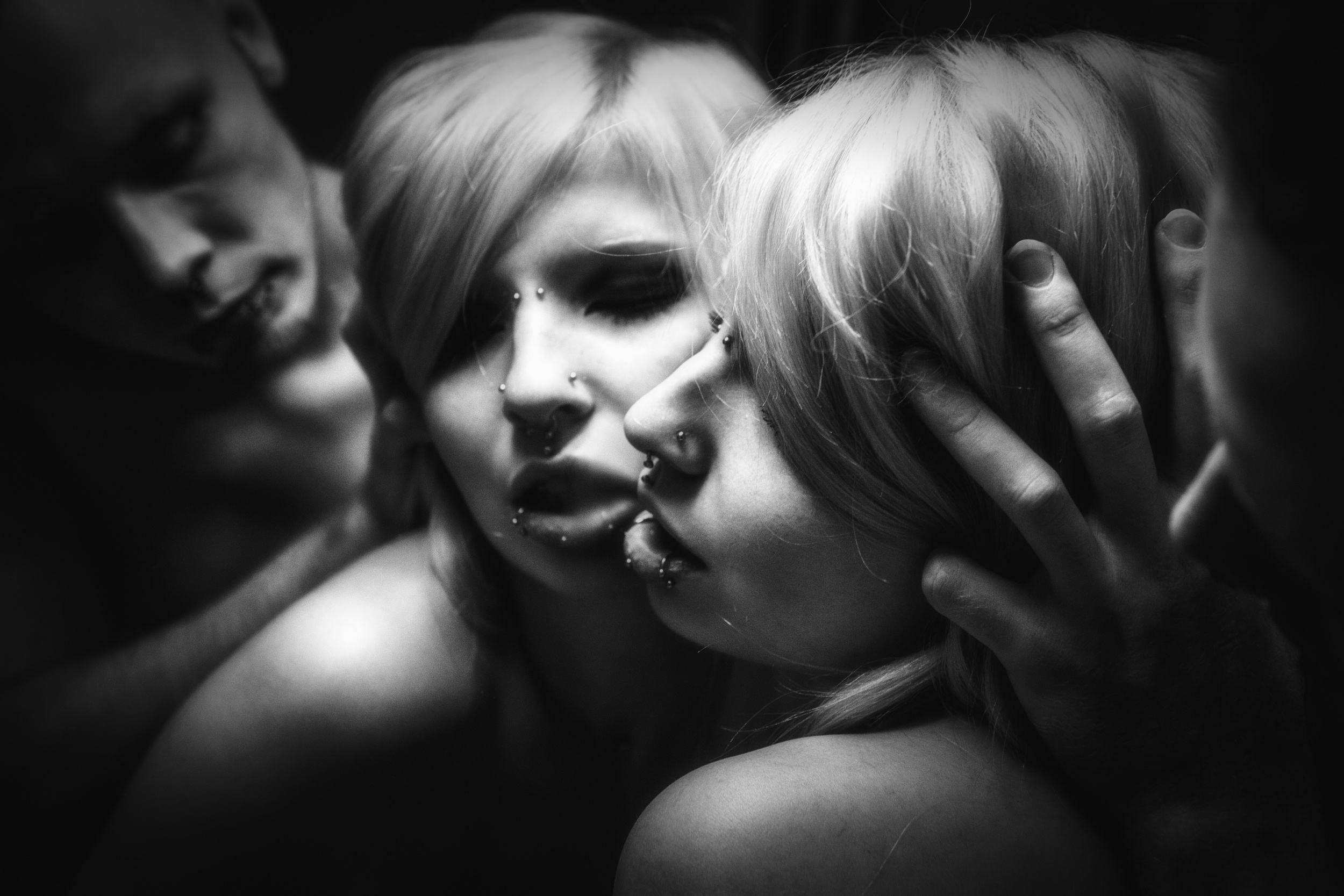
‘Emotion’
It's an early piece — one of the first photographs that ever left me completely satisfied. The setting was a small cell in a former prison, and I wanted the image to capture the claustrophobic atmosphere of such a confined space. While I was still considering who the right model might be, a former model reached out to ask if I would be willing to photograph her and her partner. Perfect, I thought — two figures within those walls would convey the essence of the room even more powerfully than one. During the shoot, the young man took some time to settle; he had never stood in front of a camera before. But after perhaps ten minutes, he seemed to forget my presence entirely — and in that forgetting, the photograph was born. It was an intimate, tender image of passion between two young lovers, yet there was not a trace of bare skin. That is precisely why I loved it. It proved something I hold dear: that intimacy and eroticism require no nudity — only truth and the courage to be seen.
Which photographers or mentors have influenced you the most?
Although I've never had a mentor in the traditional sense, there are many photographers whose work I deeply admire. Their art has quietly influenced the way I see the world through my own lens and the images I create. Above all, I'm drawn to the effortless nonchalance of Helmut Newton's work — that casual audacity and the idea that beauty and provocation can emerge naturally, almost by accident. I've never tried to imitate him; rather, I find that we share certain convictions about what a photograph can be. Another photographer whose work I admire is Klaus Pilcher of Vienna. His images carry a realism that I find quietly compelling. There is an honesty in his photographs, an unvarnished truth that speaks to something I'm forever chasing in my own work.
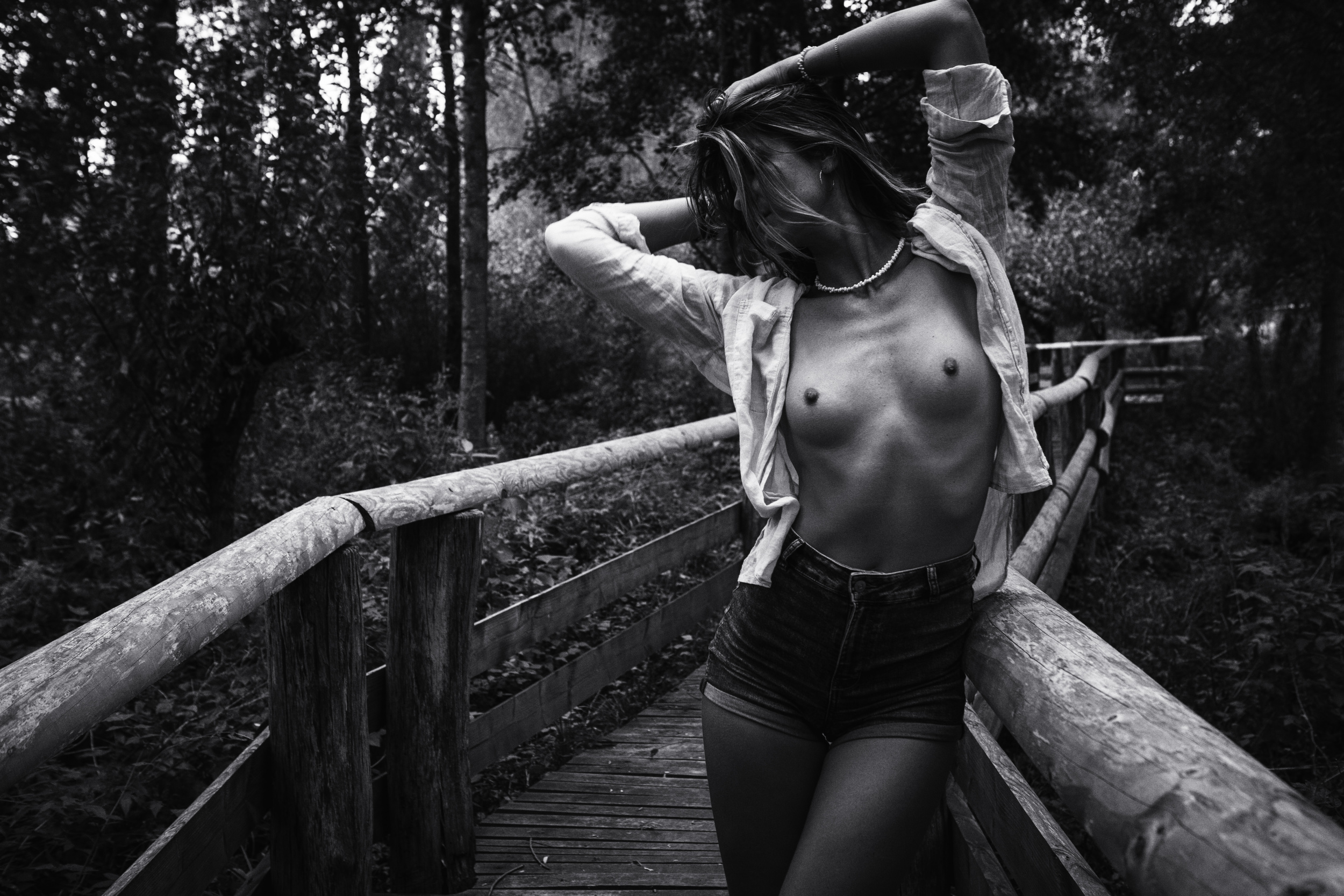
‘On the boardwalk’
As we're coming to the end of this interview, could you tell us about any photography projects you'd like to be involved in?
To be honest, it's not a place or a series that preoccupies me most right now, but a question. I find myself grappling with the rise of AI and all that it suddenly makes possible. Should I turn away and carry on as I always have? Or should I embrace this new technology, test it, probe it and discover whether it could support my work without replacing it? I'm genuinely torn. However, I've come to believe that generative AI isn't a passing curiosity that we can afford to ignore. It will affect all of us who create images, whether we welcome it or not. Perhaps my next real project should be to engage with this technology, learn what it can and cannot do, and decide where it belongs.
Do you have any other comments or thoughts on 1X as a platform for showcasing your work?
I have a genuine fondness for 1X and the feedback I receive for each piece I submit. There are moments of real surprise, such as when a photograph that I believed in is declined. My first instinct is to disagree because the verdict clashes with my perception of the image. But then I take a step back. I try to view the work as a stranger would, seeing it for the first time, and almost always, the flaws reveal themselves. These are quietly humbling and invaluable lessons. Finally, I would like to thank you and the entire 1X team once more for your interest in my work. Being seen and being asked means a great deal to me — I am truly humbled by it.
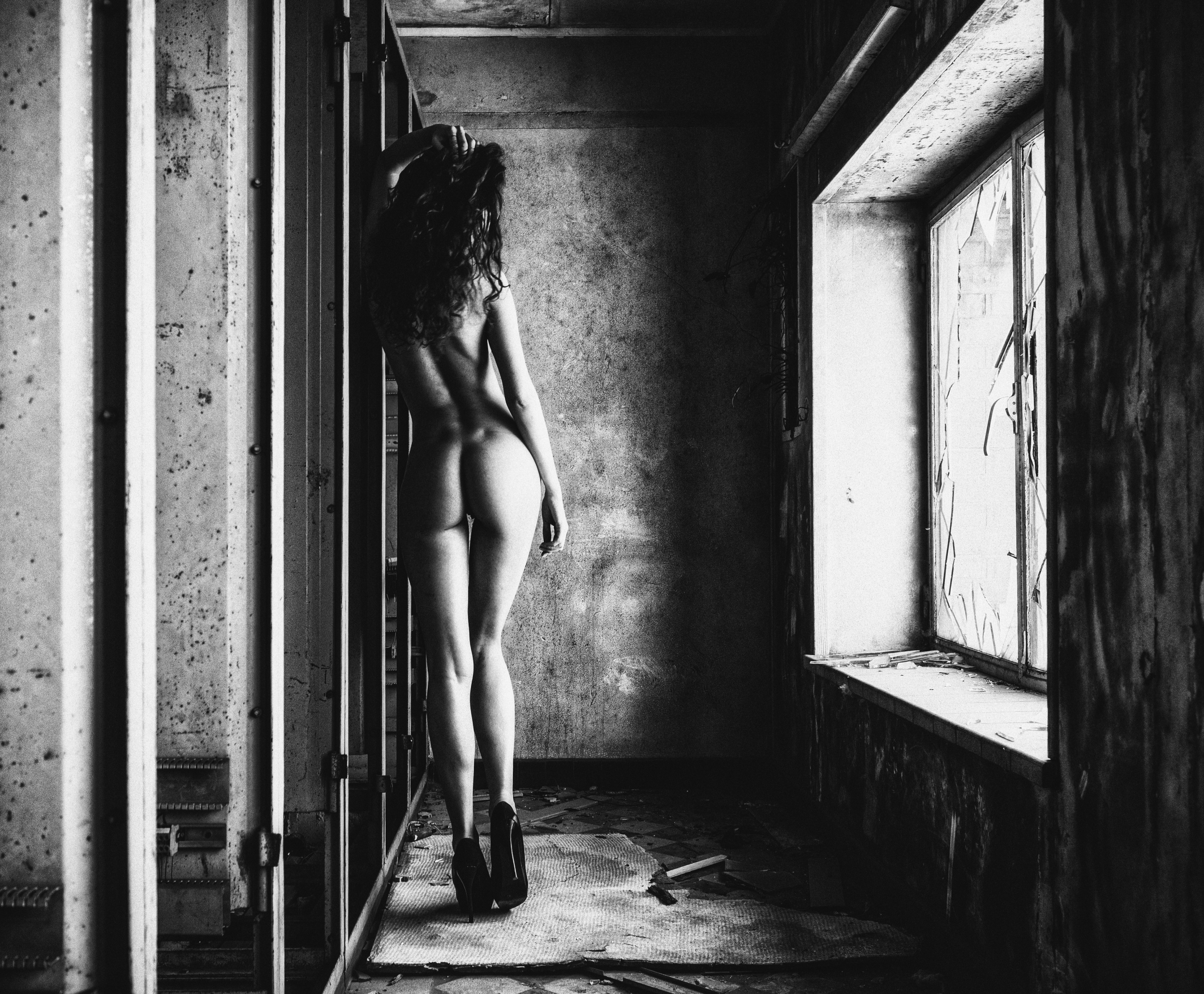
‘The body’
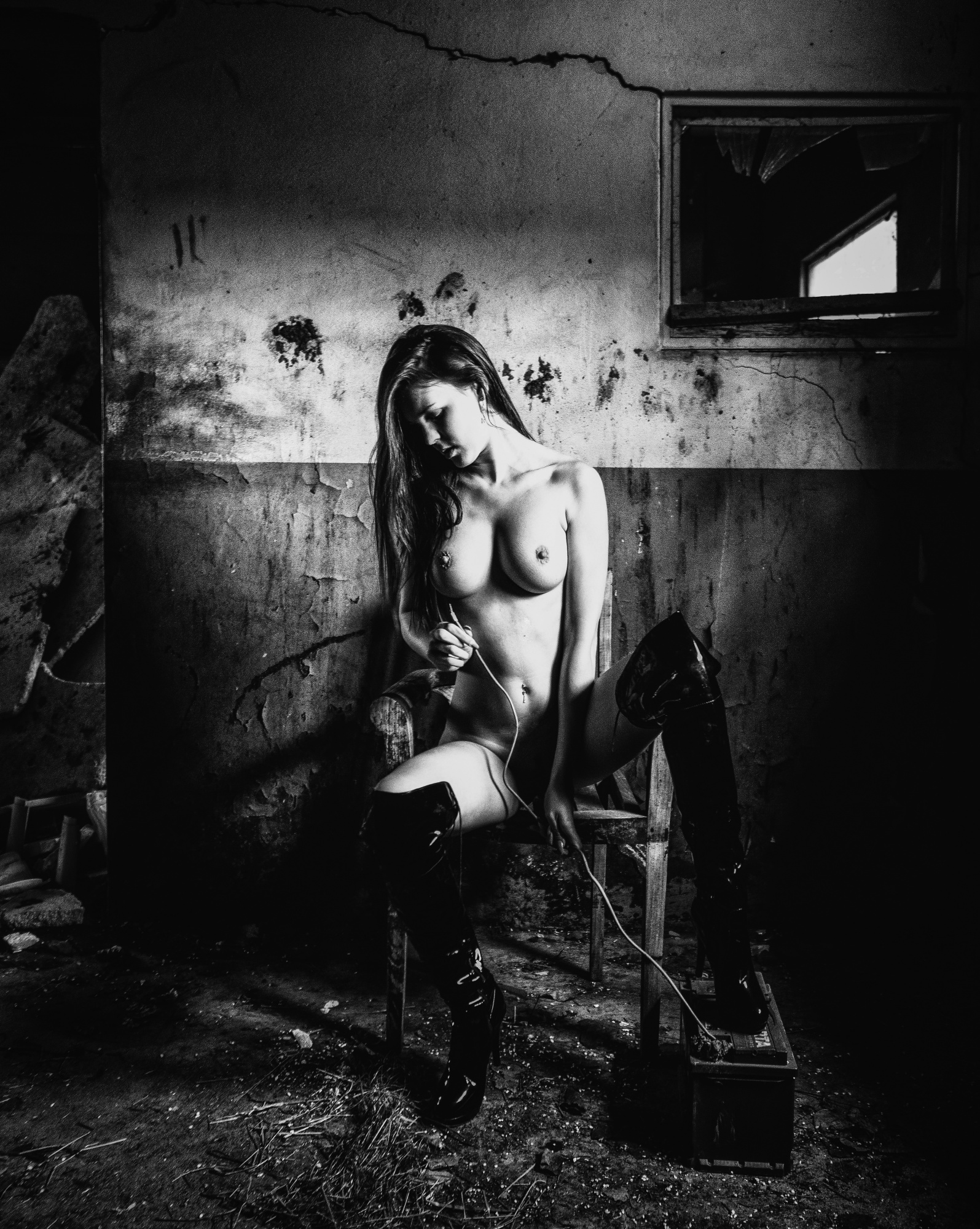
‘Electrified’
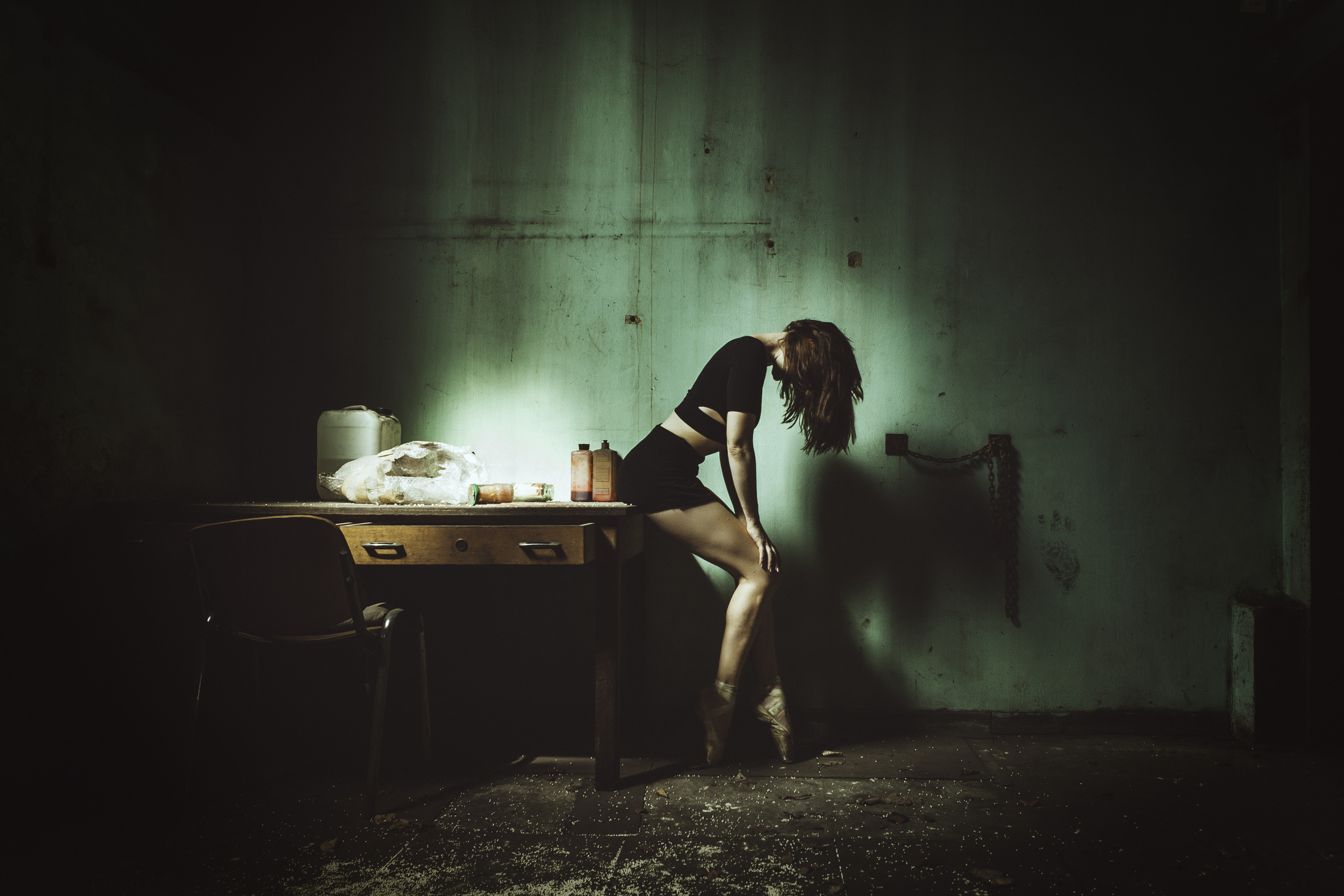
‘The green wall’
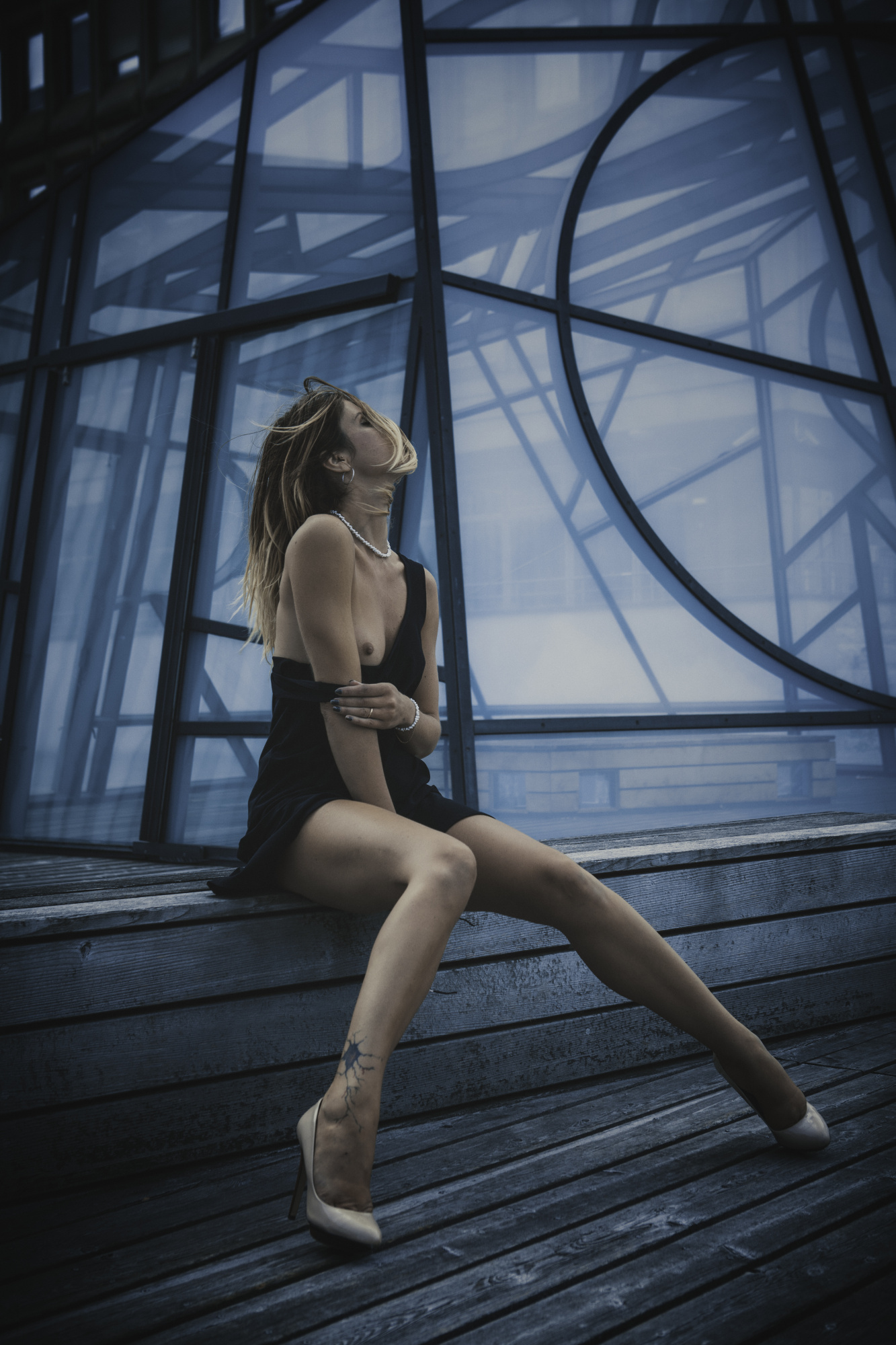
‘Nude in public’
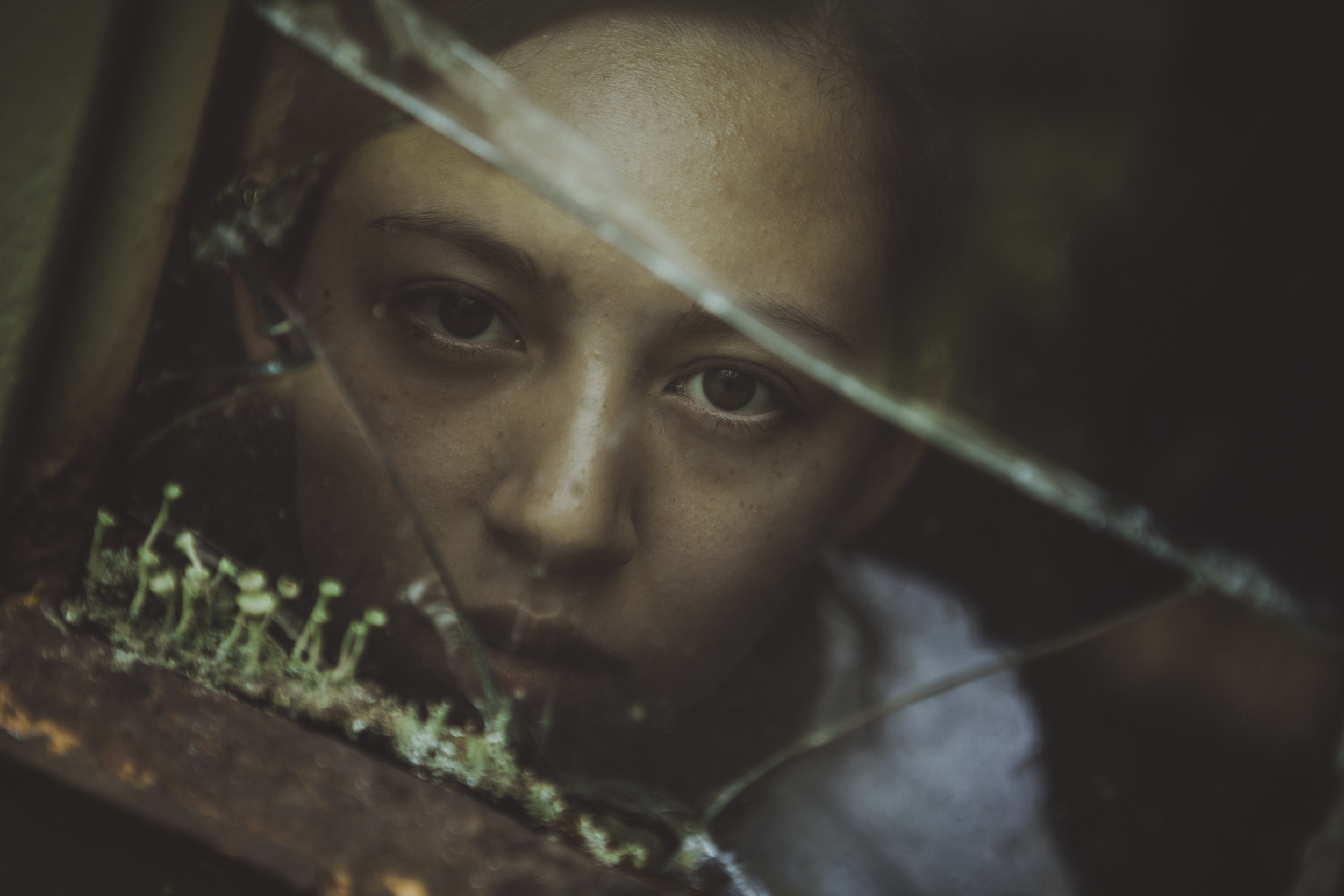
‘Are they gone?’
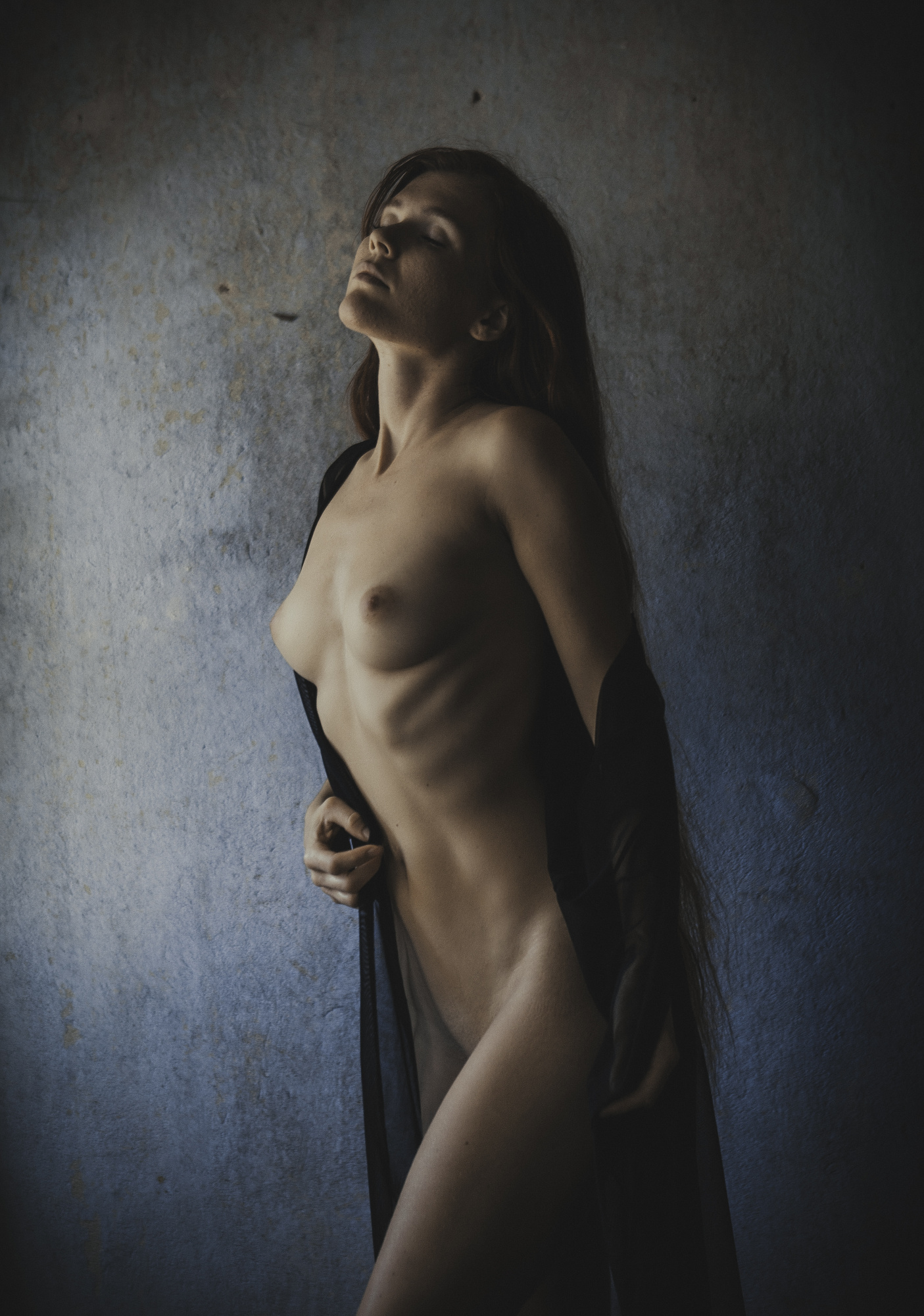
‘Dreamworld’
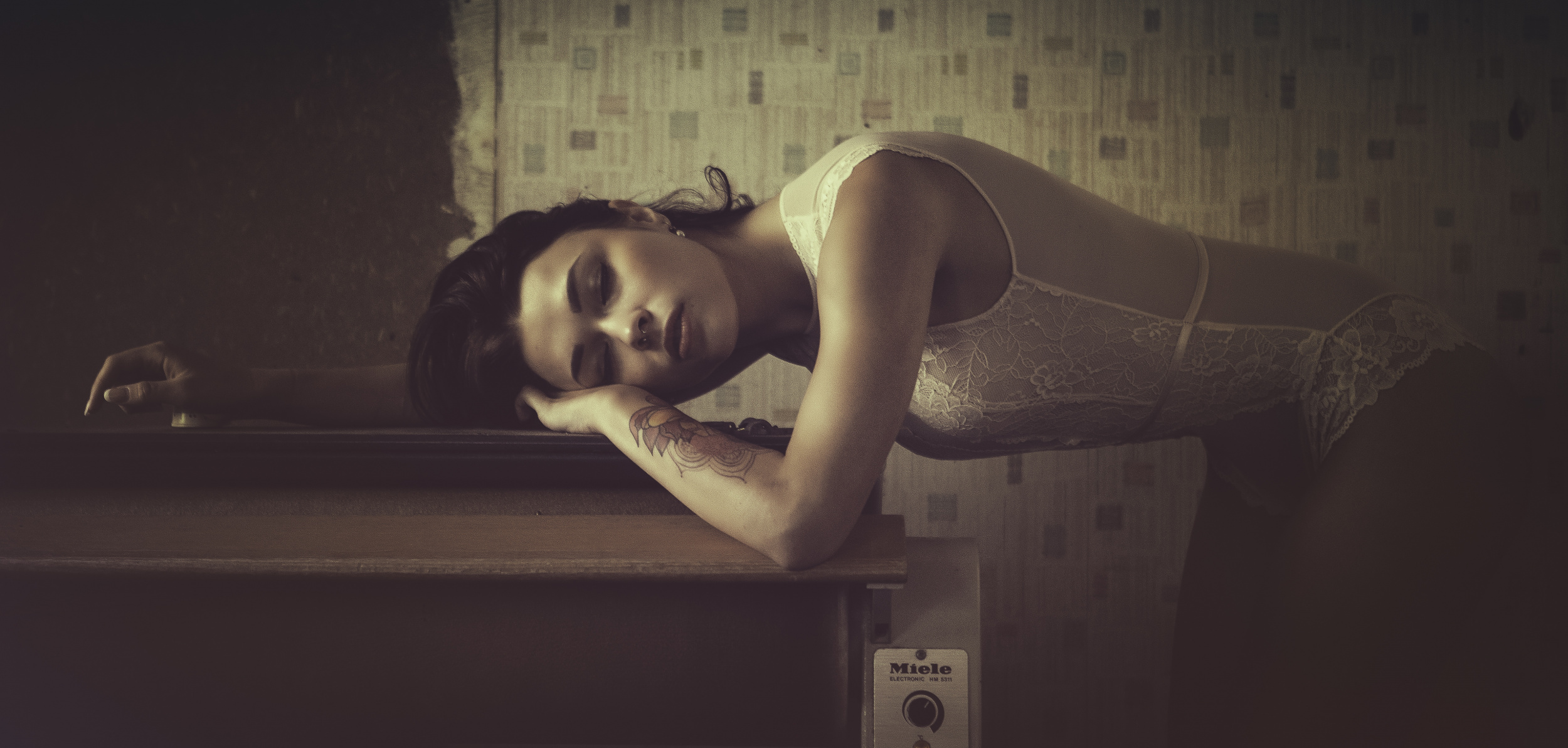
‘The Dreamer’
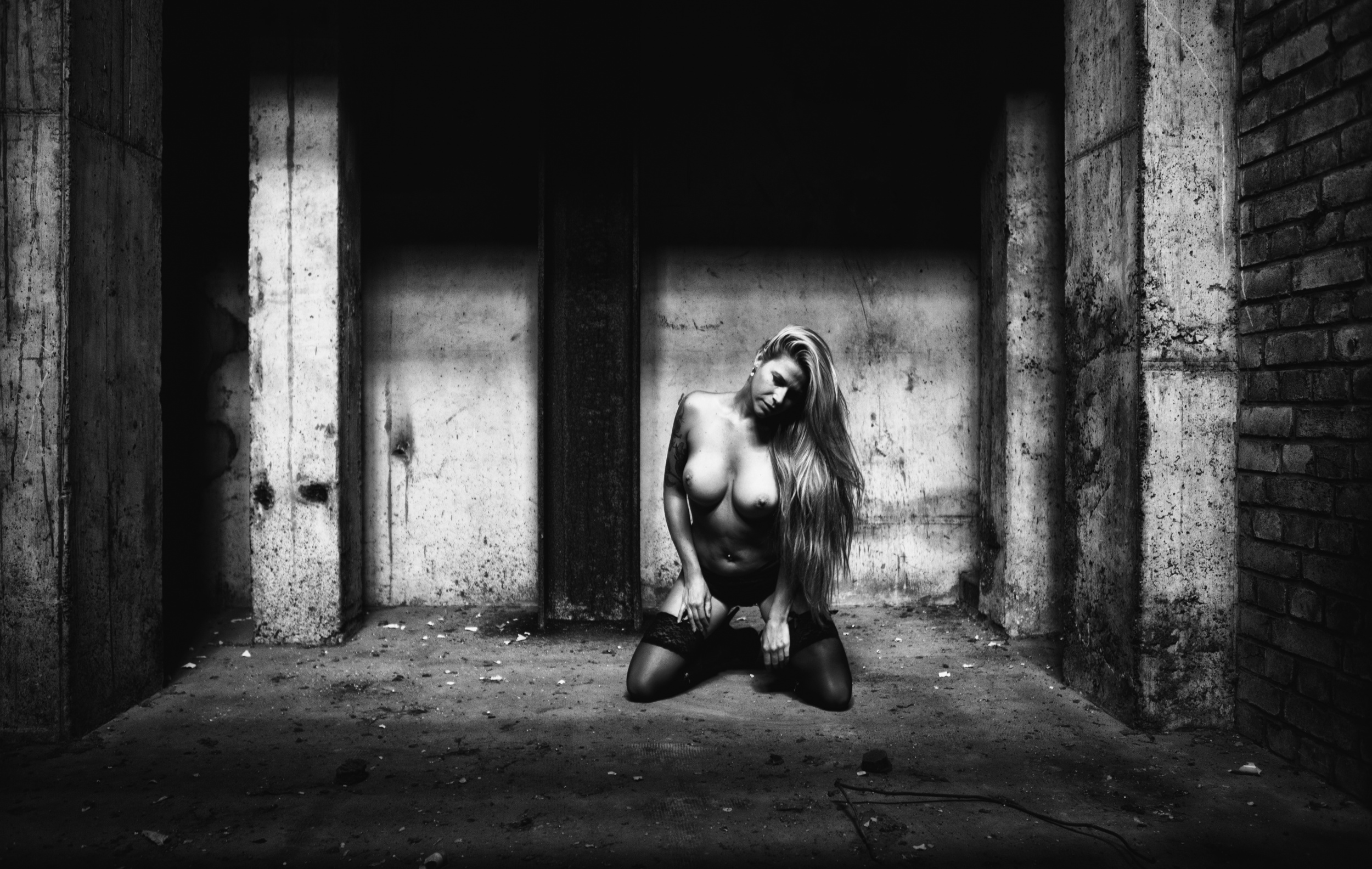
‘Lured into the dungeon’
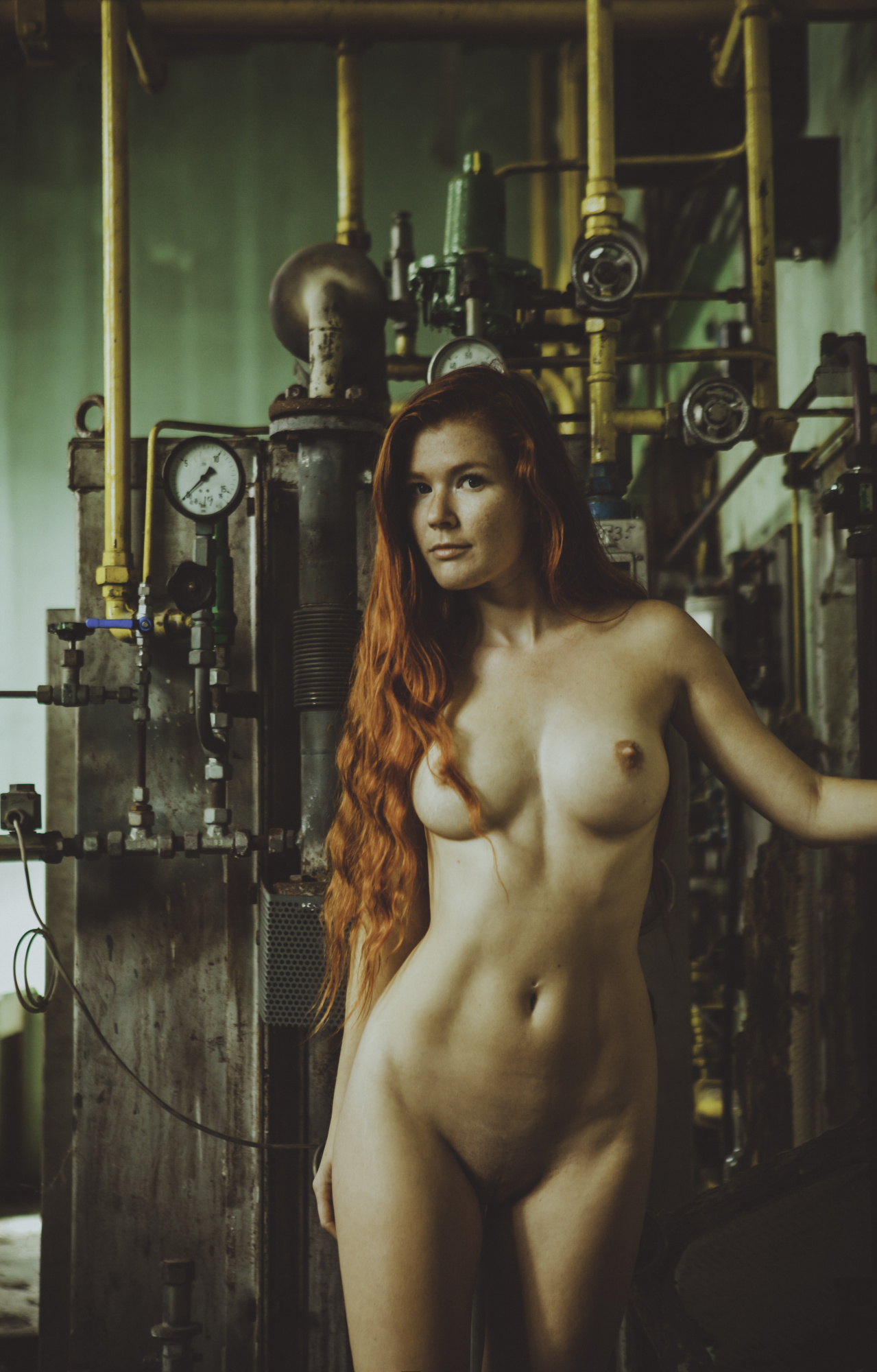
‘Lucie/Mia’
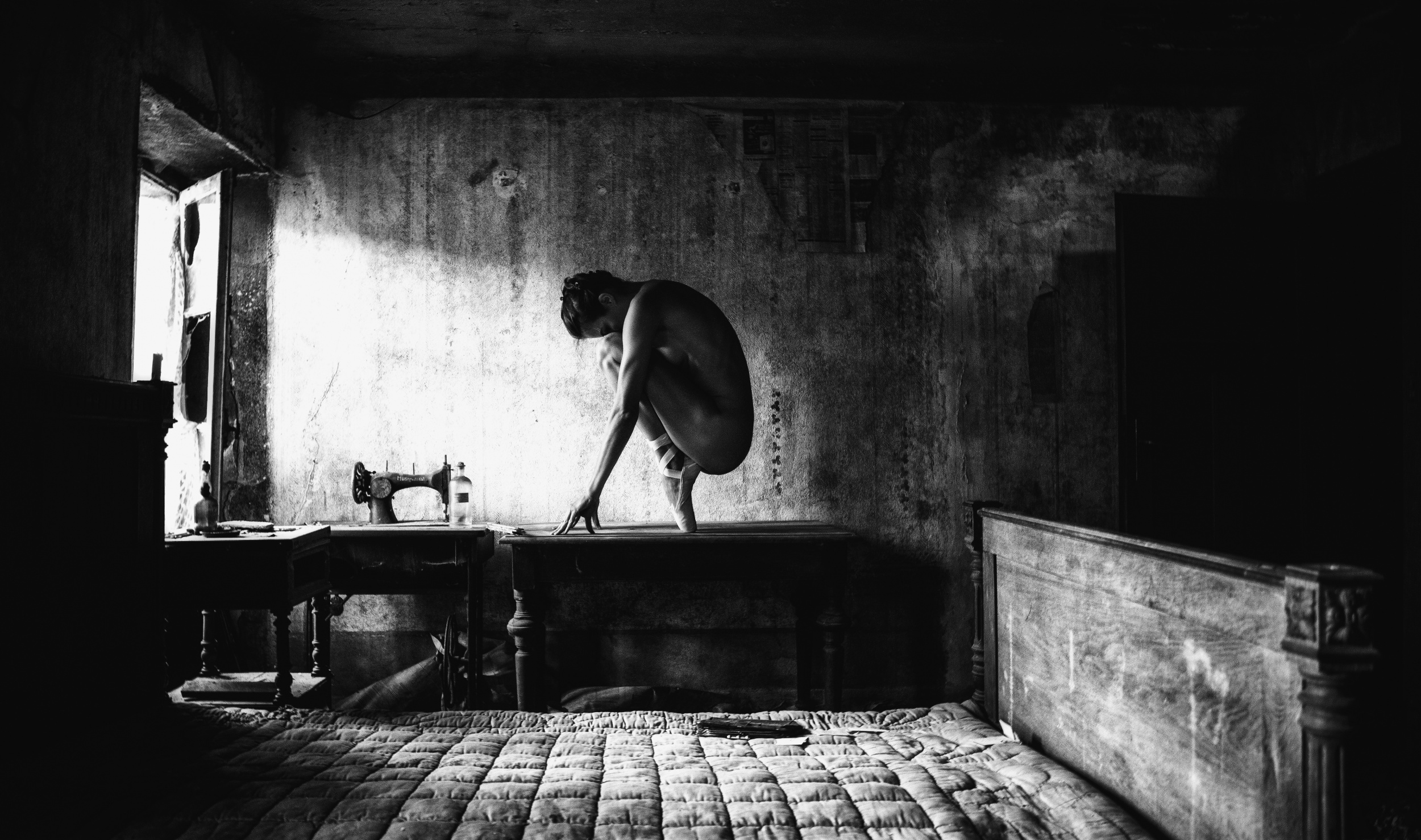
‘I can’t dance’
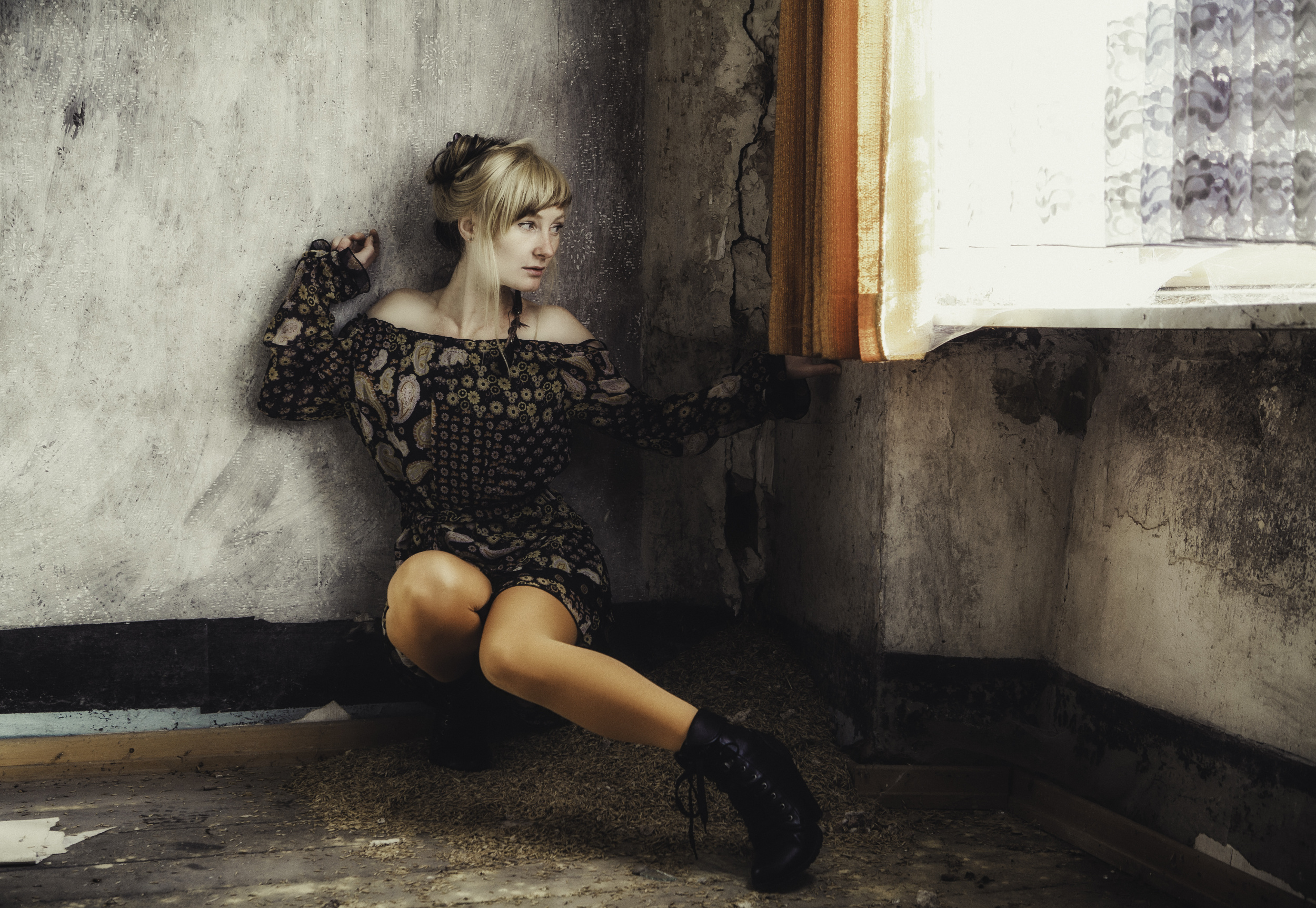
‘Orange’
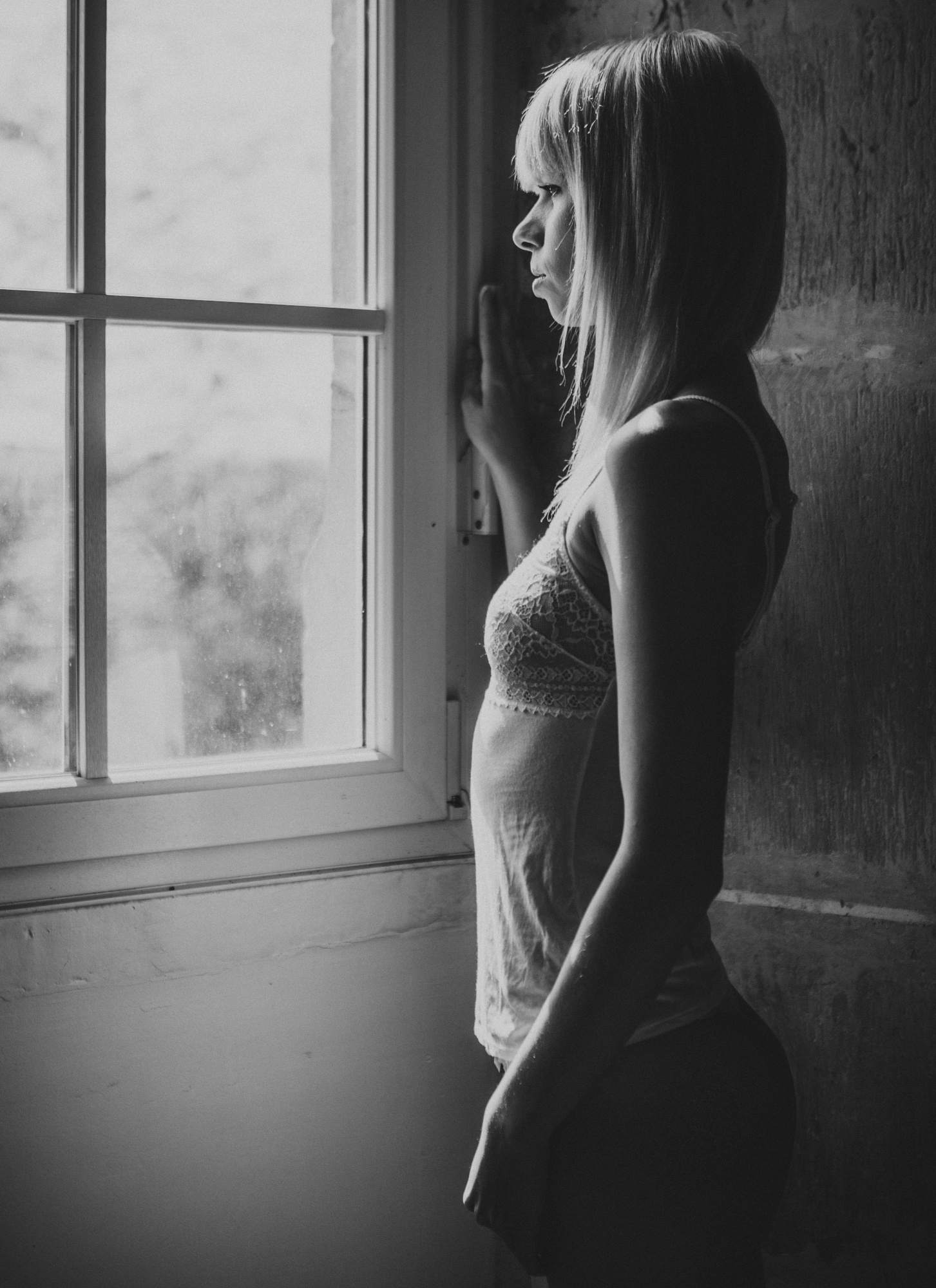
‘Mistress of the horses’
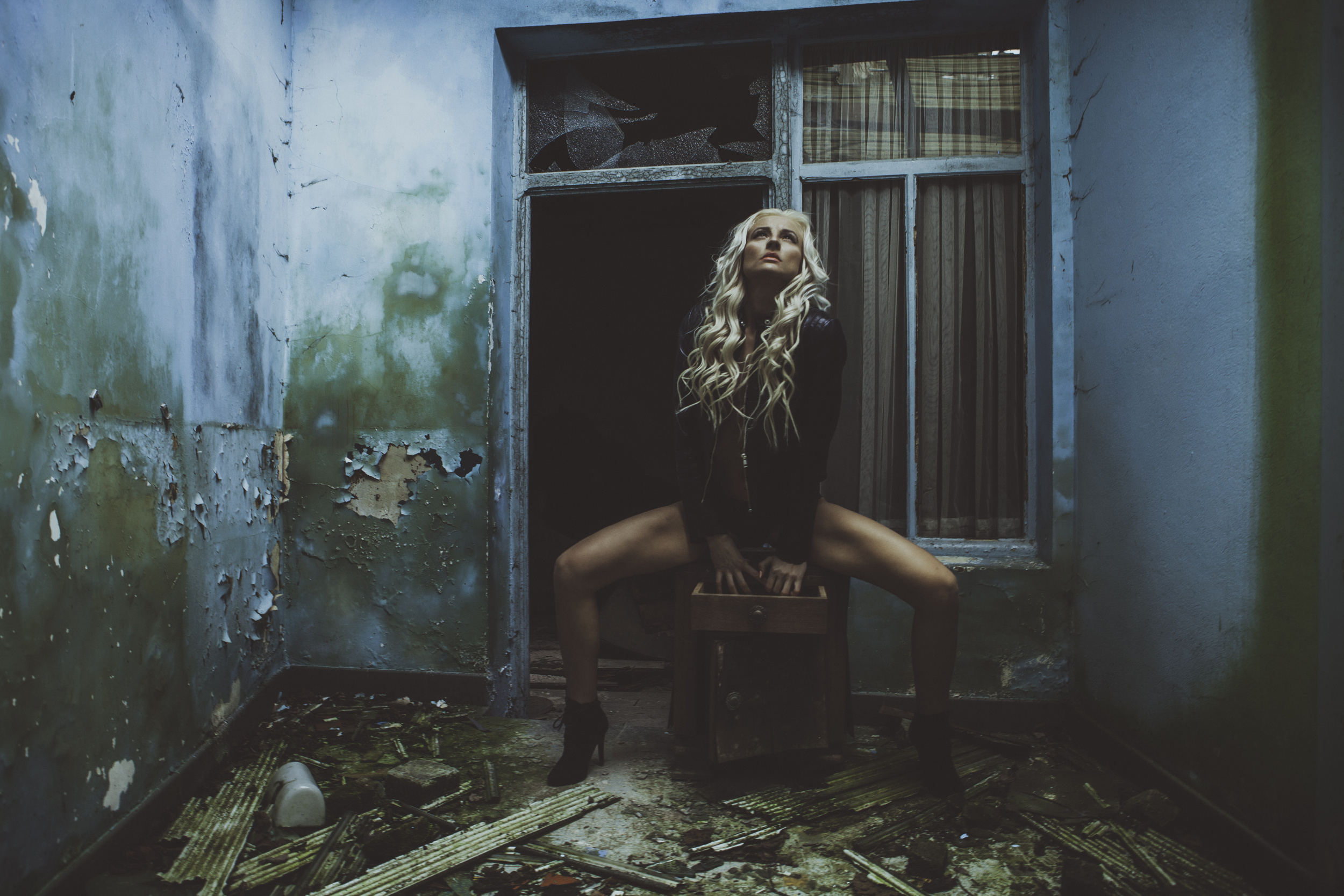
‘Feeling blue’
 | Write |
 | Yaping Zhang PRO 非常感谢Georgios带来如此惊艳的创意的照片.祝贺所有作者!感谢Yvette发布
|
 | yein PRO Reading your sincere writing, I can tell that you really prepared a lot for the interview
I was greatly inspired by the writing and the photos. I also thank Editor 1x! |
 | Georgios Bero PRO Kind of you |
 | Roland M Schwerdtfeger PRO Thank you, Yvette for this interesting interview and many thanks to Georgios for wonderful creative pictures. |
| Georgios Bero PRO Thank you Roland |
 | Miro Susta CREW Very interesting interview, thank you Yvette for publishing it, congratulations Georgio, excellent photo work |
| Georgios Bero PRO That's very kind |
 | Qinyuan Wu PRO Wonderful photos & Great interviews. |
| Georgios Bero PRO Thank you |
 | Colin Dixon CREW Fabulous article Yvette and such stunning images Georgios. |
| Georgios Bero PRO Thank you Colin |
 | Roland Weber PRO Very touching photos. Captured moments in time which are also showing lots of emotions and also fragility.
Thanks Georgios for sharing and Yvette for the interview.
Otherwise, I fear, I would possibly have overlooked those photos. |
| Georgios Bero PRO Thank you so much Roland! |
 | DonnaHom APA PRO Wonderful collection. Congratulations to all authors and thank you editor. |
| Georgios Bero PRO Thank you very much
|
 | Eduardo Blanco García PRO Excellent |
| Georgios Bero PRO Thank you |